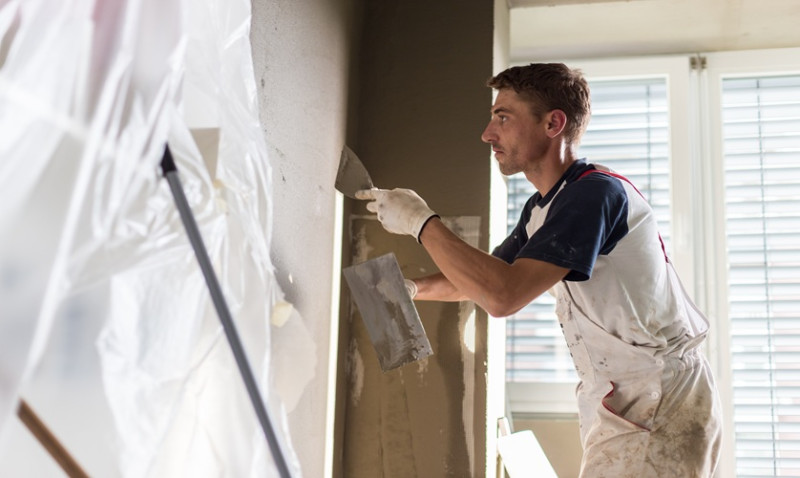
A poor plastering job can cost thousands to put right. Uneven walls, cracked finishes, and water damage from shoddy work aren't just eyesores—they're expensive problems that compound over time. Yet many UK homeowners hire the first tradesperson who answers the phone, only to regret it weeks later.
Choosing the right plasterer isn't complicated, but it does require asking the right questions upfront. This guide walks you through exactly what to look for, what to ask, and what to avoid—so you can hire with confidence and get a professional finish that lasts.
Qualifications and Accreditations That Matter
Not all plasterers are equally qualified. Before you even think about getting a quote, check whether a tradesperson holds recognised accreditations.
- CITB Registration (Construction Industry Training Board): Look for plasterers who are CITB-registered. This means they've completed formal training and their work is monitored against industry standards. It's a genuine mark of professionalism.
- National Proficiency Tests Council (NPTC) qualifications: Many experienced plasterers hold NPTC Level 2 or 3 in Plastering. This shows they've passed assessed practical tests and understand current best practice.
- Guild of Mastercraftsmen: Membership of the Guild indicates a plasterer has proven expertise and agrees to a code of conduct. It's selective, so membership is a strong signal.
- Federation of Master Builders (FMB): Member plasterers are vetted, insured, and bound by a consumer protection scheme. If something goes wrong, you have recourse.
- Check & Cert (Building Control bodies): Some regions require plasterers to be registered with local Building Control schemes, particularly for remedial work or structural plastering.
Don't dismiss a plasterer who lacks every credential—experience and reputation matter too—but credentials are a quick way to filter out cowboys and confirm someone takes their trade seriously.
8 Essential Questions to Ask
1. Are you insured?
Ask to see proof of public liability insurance (minimum £1 million cover) and employers' liability if they have staff. Insurance isn't optional—it protects you if something goes wrong. A genuine tradesperson will have no problem showing you.
2. How long have you been plastering, and can you show me examples of recent work?
Experience matters. Ask specifically for photos of finished jobs from the last 12 months, ideally in similar settings to yours (kitchen, bathroom, new build, older property). Ask if you can visit completed jobs or speak to recent clients. A plasterer who won't provide references is a red flag.
3. Will you provide a written quote and timeline?
Any quote worth taking seriously should be in writing, itemising materials and labour, and include a realistic start and end date. Vague estimates over the phone are a warning sign. A written quote also protects both of you if disputes arise.
4. What's your approach to site preparation and surface priming?
This separates professionals from amateurs. Good plasterers understand that a job is only as good as the prep work. They'll discuss how they'll clean, dampen, or prime the substrate depending on the surface type. If they gloss over this, they're cutting corners.
5. What plaster products do you use, and why?
Ask whether they use multi-finish, bonding coat, or specialist products, and why they've chosen them for your project. A plasterer who can explain their material choices demonstrates knowledge. Different properties and room types need different specifications.
6. Do you guarantee your work, and for how long?
Reputable plasterers stand behind their work with a warranty—typically 12 months. This should cover cracks, poor finish, and adhesion issues. Get the guarantee in writing as part of your contract.
7. Will you provide a formal contract?
This needn't be complex, but it should outline scope of work, materials, cost, payment terms, start/end dates, and guarantees. A plasterer who refuses a contract or wants full upfront payment is risky. Agree a reasonable payment schedule (deposit, progress payment, final payment on completion).
8. How do you handle site cleanliness and waste disposal?
Plastering is messy. A professional should explain how they'll protect your property, contain dust, and dispose of waste responsibly. If they're dismissive about site management, expect chaos and a lengthy cleanup on your part.
What Good Reviews Look Like (and What Doesn't)
Online reviews are useful but need interpreting carefully. Good reviews typically mention specific details: "John plastered our kitchen and bathroom. Work was tidy, finished on time, and the finish is excellent. Very professional." That's believable.
Suspicious reviews sound generic ("Amazing tradesman, 10/10") or over-promotional. Be sceptical of five-star reviews without detail, or a sudden cluster of reviews in one week. Real customers mention specifics and sometimes minor trade-offs ("slightly delayed due to weather, but communicated well").
Check Google, Trustpilot, and local directories. If a plasterer has dozens of reviews across multiple platforms with consistent praise for specific skills, that's more credible than a handful of gushing testimonials on their own website.
Red Flags to Watch For
- Demand for 100% payment upfront. No legitimate tradesperson needs all the money before starting. Standard practice is a deposit (25–30%) and final payment on completion.
- Reluctance to provide references or insurance details. This suggests they've got something to hide.
- No written quote or vague pricing. "About £2,000, give or take" isn't professional. You need clarity.
- Pressure to decide immediately. A good plasterer has a diary and can wait a few days for your decision.
- Unwillingness to discuss what goes wrong. Everyone makes mistakes occasionally. A plasterer who won't acknowledge minor issues or how they'd fix them is dodging accountability.
- Extremely cheap quotes. If one quote is 30% below others, ask why. It's often because they're cutting corners (cheaper materials, rushing, not prepping properly).
Comparing Quotes Fairly
Get at least three quotes. But don't just pick the cheapest—compare like with like. A proper quote should specify the same things: plaster type, surface preparation, number of coats, and finish. If quotes vary wildly, dig into why.
Ask about payment milestones and whether the quote includes scaffolding, protection, and waste removal. Hidden costs erode savings. A plasterer who charges separately for "protection" or "cleaning" after you've agreed a price is cutting it fine.
Consider the timeline too. If one plasterer can start in two weeks and another in two months, that affects your overall project schedule. The fastest option isn't always best if it means rushing.
Next Steps
Once you've shortlisted qualified plasterers and asked the right questions, you're in a strong position. Trust your instincts about communication—a plasterer who listens, explains things clearly, and doesn't pressure you is someone you can work with.
For a directory of vetted plasterers across the UK, visit plasterers101.co.uk. You can filter by location, qualifications, and specialisms, and read verified reviews from previous clients. Taking time to choose well now saves headaches—and money—later.
Trending articles