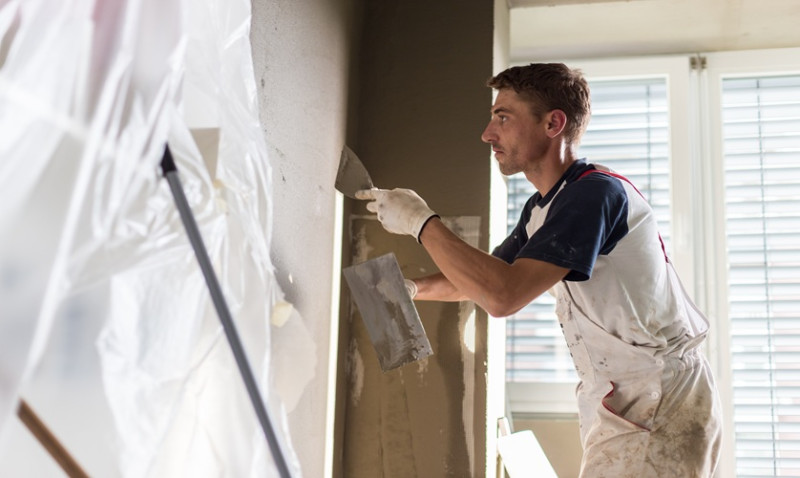
Understanding What a Plasterer Does
Before you start searching for a plasterer, it helps to understand exactly what they do. A plasterer applies plaster to walls and ceilings, both internally and externally. This includes skimming existing surfaces, applying base coats, creating smooth finishes, and sometimes decorative work. In the UK, plasterers work on everything from residential homes to commercial properties, ranging from simple repairs to full interior refurbishments. Knowing the scope of work you need means you can identify the right specialist and ask relevant questions during your search.
Plastering comes in several varieties. Dry lining involves fixing plasterboard to walls before finishing. Wet plastering uses traditional lime or gypsum plaster applied wet and then smoothed. Decorative plastering might include textured finishes, coving, or cornice work. Some plasterers specialise in heritage properties and lime plaster restoration, while others focus on modern speed-finish techniques. Understanding which type of work your project requires will narrow your search considerably.
Check Qualifications and Certifications
When selecting a plasterer, qualifications matter. Look for membership with trade bodies including the Federation of Plastering and Drywall Contractors (FPDC), the Institute of Plasterers, or the National Federation of Roofing Contractors if roofing plaster is involved. These memberships require members to maintain standards, complete continuing professional development, and adhere to a code of conduct. A plasterer displaying these credentials has proven their commitment to quality.
Qualifications to seek include NVQ Level 2 or 3 in Plastering, City & Guilds diplomas, or BTEC qualifications in plastering. These indicate formal training and assessed competence. Ask for evidence of these qualifications, not just verbal confirmation. You should also verify they hold public liability insurance of at least £1 million and employers' liability insurance if they employ staff. Insurance protects you if something goes wrong on your property.
- Request copies of all relevant certifications and check issue dates
- Confirm their membership with official trade bodies via their websites
- Ask to see proof of public liability and employers' liability insurance
- Enquire about their continuing professional development activities
- Check if they hold CSCS cards for relevant health and safety competence
Getting Personal Recommendations
Word-of-mouth recommendations remain one of the most reliable ways to find a good plasterer. Ask friends, family, and neighbours if they've had plastering work done recently and whether they'd recommend their tradesperson. Local property networks, community Facebook groups, and neighbourhood apps like Nextdoor often have plasterers recommended by residents who've used them. These conversations give you honest feedback about quality, reliability, and whether the plasterer finished on time and within budget.
Estate agents and property developers in your area often work with regular plasterers. Contacting a few local agents and asking for recommendations can yield names of people they trust with their property projects. Builders and contractors also maintain lists of reliable plasterers they work with repeatedly. These professional referrals carry weight because they're based on regular business relationships and repeat work.
Online platforms like Checkatrade, Trustmark, and Which? Trusted Traders list vetted plasterers. These services verify credentials, check insurance, and collect customer reviews. Whilst not every good plasterer uses these platforms, membership does indicate they meet minimum standards and welcome transparency. Read customer reviews carefully, looking for comments about timekeeping, cleanliness, communication, and quality of finish rather than just star ratings.
Requesting and Comparing Quotes
Always obtain quotes from multiple plasterers before making a decision. Aim for at least three separate quotes to understand the market rate for your specific work. Provide each plasterer with identical information about your project, including photos, measurements, specification of surfaces to be plastered, desired finish type, and timeline. This ensures quotes are genuinely comparable and not based on different interpretations of the work.
A proper quotation should itemise labour and materials separately, specify the type and brand of plaster products to be used, clarify what's included and excluded, state the timeline and payment schedule, and outline what happens if additional work is discovered. Watch out for quotations that are unusually low, vague about materials, or lack detail. These often indicate the plasterer either doesn't understand the work properly or is cutting corners. The cheapest quote isn't necessarily the best value.
- Request written quotations rather than verbal estimates
- Specify exactly what finish quality you expect, such as smooth trowel finish or textured
- Ask about guarantees or warranties on the work completed
- Confirm whether scaffolding or equipment hire is included in the price
- Clarify payment terms, including any deposit required and when remaining balance is due
- Ask about timescale and whether they can provide references for similar work
Verifying References and Previous Work
Every plasterer should be willing to provide references from recent clients. Request contact details for at least two or three customers whose work is similar to yours, completed within the last 12 months. Contact these references directly rather than relying on the plasterer's assurances. Ask specifically about the quality of finish, whether the work was completed on schedule, how the plasterer handled unexpected issues, and whether they'd hire them again.
Ask to see photographs or examples of previous work. Ideally, visit one of their recent jobs in person if the client permits. This shows you the actual standard they achieve, how they protect surrounding areas during work, and the cleanliness of their approach. Plastering requires skill and experience to achieve smooth, bubble-free finishes, and seeing real examples beats any description. Be cautious of plasterers who can't provide any references or examples, as this suggests limited completed work.
Check their online presence. Google their business name and read reviews on independent platforms. Look at their website or social media pages to see how they present themselves professionally. Do they respond to inquiries promptly? Are their photos of high quality? Professional online presence often reflects professional work standards, though some excellent traditional plasterers don't maintain websites at all.
Red Flags to Avoid
Certain warning signs suggest you should look elsewhere. Plasterers demanding full payment upfront are unusual, as most request a deposit and balance on completion. Anyone unwilling to provide insurance documentation or professional references should be avoided. If they pressure you to decide immediately or claim they can only quote verbally, look for someone else. Legitimate tradespeople are transparent and happy to put details in writing.
Avoid anyone operating without proper business registration or tax compliance information. Asking for their tax reference isn't intrusive, it's responsible. Plasterers working exclusively in cash with no invoices or records aren't worth the risk, both for quality accountability and your own protection. If communication is poor, they take days to respond, or they're vague about the work involved, these are early indicators of potential problems.
Be wary of plasterers who don't mention preparation work. Proper plastering depends on correct surface preparation, and if they're glossing over this essential stage, the finish won't last. Similarly, anyone promising plastering work at extremely low prices or completing complex jobs suspiciously quickly may be taking shortcuts.
Making Your Final Decision
After gathering quotes, checking qualifications, reading reviews, and verifying references, make your decision based on value rather than lowest price alone. The plasterer who understands your specific needs, communicates clearly, provides detailed quotations, can demonstrate relevant experience, and has excellent references is worth paying a bit more for. Quality plastering finish can last 10-15 years or longer, so getting it right initially saves money and frustration later.
Before work starts, confirm everything in writing. Ensure you have a signed quotation or contract clearly stating the scope of work, materials to be used, timeline, total cost, and payment schedule. Discuss site access, working hours, how debris will be cleared, and what protection will be offered to your furnishings and floors. A professional plasterer will welcome these conversations.
Ready to find your ideal plasterer? Compare quotes from three qualified plasterers in your area today to ensure you get the best value and quality for your project.
Frequently Asked Questions
How much does a plasterer cost in the UK?
Plastering costs typically range from £20 to £40 per square metre for basic skimming work. More complex jobs, such as dry lining or decorative finishes, can cost £40-£60+ per square metre. Full room plastering averages £800-£2,000 depending on room size and finish type. Always obtain multiple quotes for your specific project.
How long does plastering take?
A single room usually takes 2-5 days, depending on size and complexity. Drying times vary, typically 24-48 hours between coats for gypsum plaster and longer for lime plaster. Your plasterer should provide a detailed timeline in their quote.
Do I need to prepare the room before the plasterer arrives?
You should remove furniture and cover items that cannot be moved. The plasterer is responsible for professional protection of your property, but clearing the space speeds up the work and reduces damage risk.
What's the difference between skimming and plastering?
Skimming applies a thin finishing coat to existing surfaces, while full plastering involves applying multiple base coats before the finish coat. Skimming is quicker and less expensive, typically used to refresh existing walls.
Can I paint over fresh plaster immediately?
No. Gypsum plaster typically requires 2-4 weeks to fully cure before painting, whilst lime plaster takes longer. Your plasterer will advise on the correct drying time for your specific plaster type.
What should I look for in a plasterer's portfolio?
Look for smooth finishes without cracks, bubbles, or uneven patches. Check whether they've done similar work to yours. Ask about the durability of their finishes and whether they can provide before-and-after photos of completed projects.
Is it better to hire a local plasterer or a national company?
Local plasterers often provide better personal service and flexibility, whilst larger companies may offer more structured guarantees. Check qualifications and references regardless of size. Many excellent plasterers are independent operators with strong local reputations.
Find Your Perfect Plasterer Today
Stop spending hours searching for a reliable plasterer. QuoteBank connects you with fully vetted, qualified plasterers in your area. Compare up to 3 detailed quotes for free and get your project started within days.
Trending articles