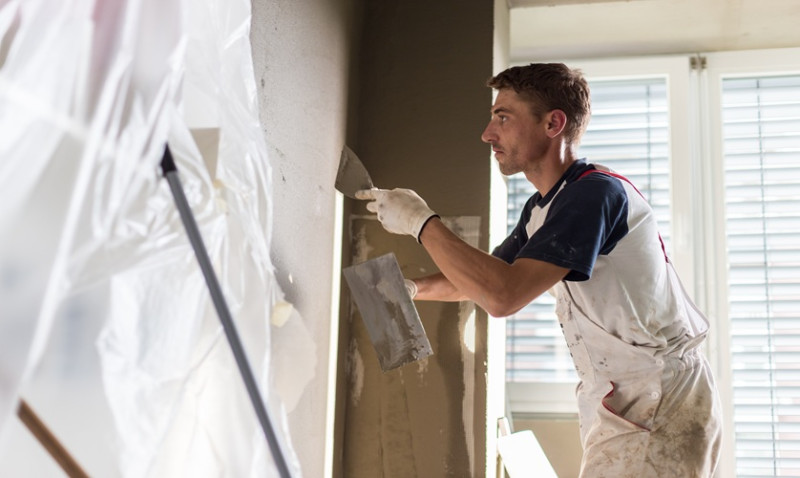
What You'll Pay for Plastering in 2026
Plastering costs in the UK have shifted considerably as we move into 2026, and knowing current pricing matters before you hire someone. Labour rates, material expenses, and where you live all affect your final bill. Most homeowners spend between £400 and £2,500 on straightforward plastering work, though larger or more specialised jobs can cost significantly more.
Your costs depend on what you need: full room skimming, patching, or external render. A skilled plasterer quotes based on square meterage, how complex the job is, and local demand. In London and the South East, you'll pay 15–20% more than in rural areas or the Midlands. Understanding these differences helps you budget properly and avoid surprises when the invoice arrives.
Labour Costs and Daily Rates
Plasterer day rates in 2026 typically range from £200 to £450 per day, depending on experience and location. An experienced, well-reviewed plasterer commands premium rates, while newly qualified tradespeople charge £180–£280 daily. Most projects, however, are quoted per square metre rather than per day.
For standard interior skimming, plasterers typically charge £12 to £20 per square metre. More demanding work like external render or specialist finishes (Venetian plaster, textured coatings) costs £25–£40 per square metre. Here's what you can expect:
- Internal skimming (plasterboard): £12–£18 per m²
- Patching and making good: £15–£25 per m²
- External cement render: £20–£35 per m²
- Specialist finishes (lime, decorative): £30–£50 per m²
- Ceiling work (additional complexity): add 20–30% to room rates
Call-out fees are common for small repairs. Expect £60–£150 just to attend and assess a job under 3 square metres. Some plasterers waive this if you proceed with the full project.
Materials: What Goes Into Your Quote
Materials represent 20–40% of your total plastering bill, though this varies by finish type and area covered. Standard plaster (Thistle bonding, browning coat) costs roughly £8–£14 per 25kg bag, and a typical room uses 3–8 bags depending on wall condition and application depth.
Skimming compound runs £10–£18 per 25kg bag. A single coat across a 40 square metre room might need 2–3 bags. External renders (Portland cement-based) cost £12–£20 per 25kg bag, with larger projects needing 10–20 bags or bulk supply.
Budget for these additional materials:
- Joint filler and bonding agents: £8–£15 per tub
- Primer or base coat: £25–£45 per 10L
- Specialist additives (waterproofing, crack prevention): £15–£40
- Mesh tape, corner beads, trim: £20–£50 per project
- Protective coverings and dust sheets: usually included in labour
A good plasterer will provide a detailed materials breakdown. If they don't, ask for one. This transparency prevents disputes later.
Project Type: How Scope Affects Price
Room skimming (applying a fresh plaster coat to existing walls) is one of the most common jobs. A typical 4x4 metre bedroom costs £300–£600 in labour alone, plus £40–£80 in materials. This assumes walls are in reasonable condition with no major structural damage.
Plastering a full house interior (say, 150 square metres across multiple rooms) typically costs £1,800–£3,200 in labour, depending on condition and finish quality. Ceilings add 25–40% extra because they're physically demanding and require scaffolding or tall access equipment.
Patch repairs and making good cost £80–£300 per patch, with minimum charges around £100–£150 because setup time applies regardless of size. A single hole repair takes as much effort to prepare as a 2 square metre patch, so tradespeople charge accordingly.
External rendering is more expensive due to equipment needs and weather considerations. Expect £2,500–£6,500 for a semi-detached house exterior, or £30–£45 per square metre depending on the render type and existing substrate condition.
Regional Variations and Market Rates
Location significantly impacts plastering costs. London and the South East command the highest rates: £18–£25 per m² for standard work. The Midlands, North West, and Yorkshire typically cost £12–£18 per m². Scotland and Wales often sit slightly lower at £11–£16 per m², though major cities like Glasgow and Cardiff follow southern pricing.
Rural areas may offer cheaper hourly rates but can have call-out charges or travel fees of £30–£60 if you're more than 15 miles from the plasterer's base. Factor this in when comparing quotes across different tradespeople.
Demand also fluctuates seasonally. Spring and summer see higher rates (20–25% premium) because plasterers can work outdoors on render and external jobs. Winter brings slightly lower rates but increased weather risk, which some plasterers charge extra for due to drying time complications.
Getting Accurate Quotes: What to Expect
A proper quotation should itemise labour hours, material costs, and any additional charges (travel, site preparation, waste removal). Reputable plasterers will visit your property to measure and assess wall condition before quoting. Phone quotes without a site visit are often inaccurate and won't protect you if costs exceed expectations.
When comparing quotes, check for these details:
- Square meterage measured and clearly stated
- Finish type specified (skimming, render, proprietary finish)
- Number of coats required for the job
- Warranty period (typically 5–10 years for labour)
- Payment terms and deposit requirements
- Timeline and access requirements
- What's included (dust sheets, site clearing, skip hire)
The cheapest quote isn't always the best value. A plasterer undercutting by 30% may rush the job, use inferior materials, or disappear mid-project. Look for traders rated on Trustpilot, Which? Trusted Traders, or via local recommendations. Expect to pay 5–15% deposit to secure the booking, with the balance due on completion.
Hidden Costs and Budget Contingencies
Unforeseen expenses commonly arise during plastering work. If walls are damp, textured (artex), or previously badly plastered, remedial work adds £200–£600. Removing old plaster and treating underlying issues before re-plastering is essential but increases costs by 20–30%.
Skip hire (if needed) costs £150–£300 per week. Specialist treatments like damp-proofing membranes add £8–£15 per m². If scaffolding is required for exterior work, budget an extra £400–£800.
Allow a 10–15% contingency on your total budget for unforeseen remedial work. This prevents financial stress if complications emerge once work begins.
Getting accurate 2026 plastering costs requires a detailed site assessment and clear communication with multiple tradespeople. Request quotations from three local plasterers, compare their itemised costs, and verify their qualifications and insurance before commissioning work. This approach helps you pay fair market rates whilst ensuring quality workmanship on your property.
Frequently Asked Questions
How long does plastering take?
Most interior skimming takes 1–3 days depending on room size and wall condition. External rendering can take 2–4 weeks including drying time between coats.
Can I plaster over textured walls?
You'll need to remove Artex or textured coatings first, which adds labour and cost. Some plasterers charge £5–£8 per m² for removal.
What's the difference between skimming and rendering?
Skimming is an internal finish applied to plasterboard or existing plaster. Rendering is an external finish applied to brick, blockwork, or stone.
Do I need planning permission for external render?
For most homes, no. However, listed buildings and conservation areas require consent. Check with your local planning authority.
How do I find a reliable plasterer?
Ask for recommendations from friends or family, check Trustpilot reviews, and verify they're insured and qualified. Always get written quotes before proceeding.
What warranty should I expect?
Most plasterers offer 5–10 years on labour. Material manufacturers typically guarantee their products for longer. Get warranty details in writing.
Need plastering quotes from vetted traders?
QuoteBank connects you with local, qualified plasterers who'll provide detailed, transparent quotes. Compare multiple prices and choose the right tradesperson for your project.
Get Free Quotes from Local PlasterersTrending articles