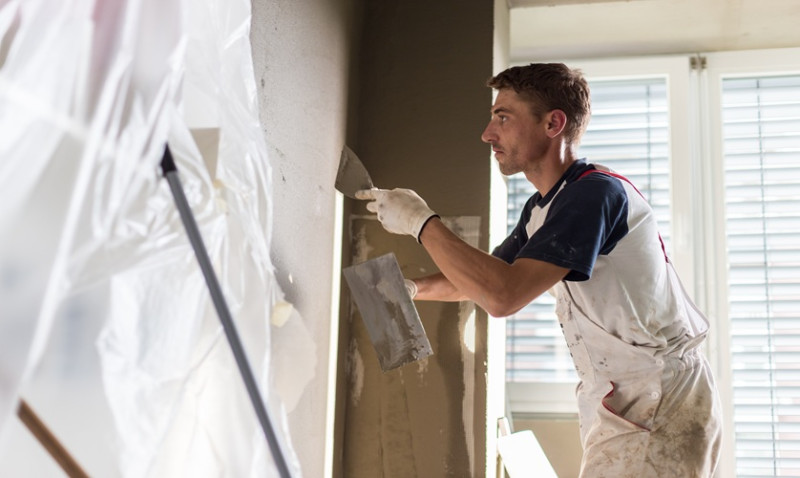
How Much Does Plastering Cost in 2026? UK Price Guide
If you're planning a plastering project, you'll want a straight answer: expect to pay between £150 and £350 per day for a qualified plasterer in 2026, or roughly £20–£40 per square metre for straightforward internal plastering. For a single room (around 40–50 m²), budget £800–£2,000 depending on condition and complexity. London and the South East run 20–30% higher; rural areas and the Midlands are typically cheaper.
That's the headline. The rest depends on what you're actually having done—and this guide walks through the real variables that shift your final bill.
What Affects Your Plastering Cost
Scope of Work
A simple skim coat on already-flat walls costs far less than stripping back to brick and re-plastering from scratch. Internal skimming might run £15–£25/m², whilst making good damaged plasterboard or lime work could double that. If you need new plasterboard hung first, add £10–£20/m² to labour costs.
Surface Condition
Pristine plasterboard in a new build? Straightforward and cheap. Old Victorian walls with uneven brick, damp patches, or multiple layers of old plaster? Expect higher rates. Plasterers charge premium rates for remedial work because it demands skill, time, and often specialist materials. Damp or asbestos issues will escalate costs significantly and may need surveying first.
Complexity and Access
A 4 x 4 metre bedroom wall is predictable. Vaulted ceilings, intricate cornicing, external render, or ornamental features require more skill and time. Difficult access—narrow staircases, loft conversions, or external scaffolding—adds labour and logistics costs. A simple rule: the trickier the geometry or location, the higher your rate.
Material Quality
Standard finishing plaster costs less than specialist products (lime plaster, board finish, rapid-set compounds). If you've specified premium materials or eco-friendly options, expect a 10–20% uplift. Materials themselves rarely dominate the cost; labour does.
Plasterer Experience
Qualified, well-reviewed plasterers with 10+ years' experience may charge 15–25% more than newer tradespeople. That premium often reflects reliability, finish quality, and lower callbacks. Budget for it when hiring.
Regional Price Breakdown
Plasterer costs vary significantly across the UK. Here's a realistic snapshot for 2026:
- London and South East: £250–£350/day; £28–£40/m² for skimming
- South West (Bristol, Exeter, Cornwall): £180–£280/day; £22–£32/m²
- Midlands (Birmingham, Coventry, Leicester): £150–£230/day; £18–£28/m²
- North West (Manchester, Liverpool): £160–£240/day; £19–£29/m²
- North East (Newcastle, Durham): £140–£220/day; £17–£26/m²
- Scotland (Edinburgh, Glasgow): £170–£280/day; £20–£32/m²
- Wales (Cardiff, Swansea): £150–£240/day; £18–£28/m²
London consistently commands a premium due to demand, cost of living, and travel time between jobs. Rural areas often charge less but may add travel surcharges if you're far from their base.
How Plasterers Typically Price Work
Day Rate
Many plasterers quote a daily rate (usually 7–8 hours). This suits variable jobs where scope can't be pinned down exactly. Expect £150–£350/day in 2026, depending on region and experience. You're paying for their time, not a fixed output.
Per Square Metre
For straightforward interior skimming, per-m² rates are common: £18–£40/m² depending on region and surface condition. This works well for clear, bounded jobs (a room, a hallway). Measure your wall area and multiply—simple and transparent.
Project Rate
For well-defined jobs (plaster one room, render an external wall), some plasterers quote a fixed price. This removes uncertainty for you, but plasterers price conservatively to protect themselves. Project rates are often higher than day rates because the plasterer bears the risk of overruns.
Hourly Rate
Less common in 2026, but some smaller jobs are charged hourly (£25–£50/hour). Transparent but less predictable for larger work.
What's Included and What's Extra
Typically Included
- Labour and basic plastering materials (plaster, mesh, primer)
- Preparation (cleaning, priming, filling minor defects)
- Final finish to an industry-standard smooth coat
- Basic site clean-up
Typically Extra
- Specialist plasters (lime, eco, rapid-set) — often no surcharge, but material cost increases
- Removal of old plaster or asbestos — significant extra, sometimes £100–£300+
- Damp treatment or tanking — specialist work, usually quoted separately
- Scaffolding or cherry picker hire for external/high work — your cost or theirs (clarify upfront)
- Plasterboard supply and hanging — often quoted separately
- Decoration (paint, wallpaper) — never included; plasterer's job ends at primer
- Call-outs for remedial work post-job — may be charged if outside warranty period
Always ask for a detailed quote that itemises labour, materials, and any add-ons. Vague quotes lead to arguments later.
How to Get a Fair Quote
Obtain three quotes from local, established plasterers. When you brief them, be specific: provide measurements, describe the existing surface (brick, plasterboard, old plaster), list any defects, and clarify whether you're supplying materials. A good plasterer will ask questions and visit the site if the job is substantial.
Compare quotes on scope, not just price. If one is half the price of the others, dig deeper—have they underestimated, or are they using inferior materials? Conversely, don't automatically pay the highest price; experience varies.
Request references and check online reviews. A plasterer with consistent 4.5+ stars on Google, Trustpilot, or Checkatrade is a safer bet than an unknown name at a bargain price.
Red Flags: When a Quote Is Too Low
A price that seems too good to be true often is. Watch for:
- No site visit: A quote via phone or email alone suggests they haven't assessed the work properly.
- Cash-only, no receipt: Legitimate tradespeople invoice. No paper trail raises compliance and insurance concerns.
- Vague scope: "I'll plaster your room for £300" without specifying area, condition, or materials is risky.
- No insurance or qualifications mentioned: Always ask—uninsured work leaves you liable if something goes wrong.
- Pressure to pay upfront in full: A small deposit (10–25%) is normal; paying 100% before work starts is not.
- Huge undercutting of other quotes: If others quote £1,500 and one quotes £600 for identical work, something's off.
The UK plastering market is fairly transparent in 2026. Rates vary by region and complexity, but they cluster within predictable ranges. Outliers warrant caution.
Getting Started
Find a reliable, qualified plasterer in your area on plasterers101.co.uk, where you can browse local tradespeople, compare quotes, and read verified reviews to ensure fair pricing and quality workmanship.
Trending articles